Source aromatherapy perfume roll on bottle for Skin Care, Air Aroma, Personal Care
Compare 30 aromatherapy perfume roll on bottle options from verified Chinese manufacturers. Buyers can evaluate capacities ranging from 4ml to 15ml, closure types like rollerball and screw caps, and customization features for essential oils and cosmetics; compare the available evidence and request quotations based on your requirements.
Key considerations
Products List


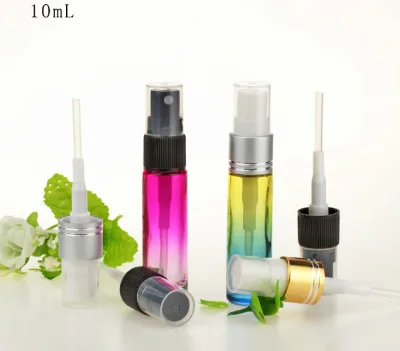


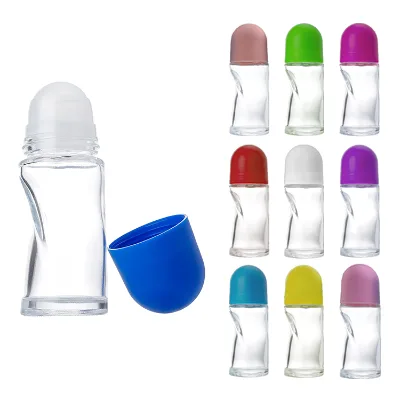


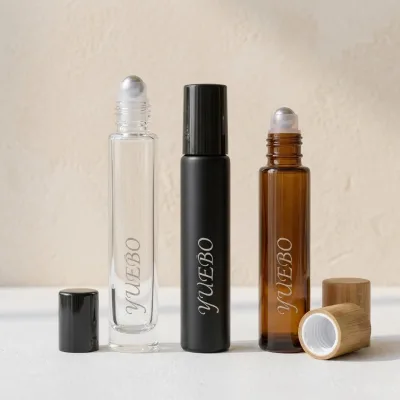
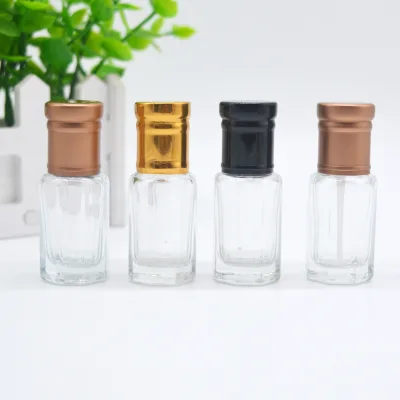
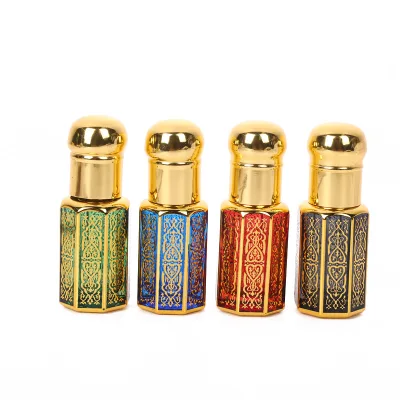


Comprehensive Sourcing Guide
Aromatherapy Perfume Roll On Bottle Sourcing Guide
Sourcing high-quality aromatherapy and perfume roll-on bottles requires a careful balance of material integrity, closure precision, and aesthetic customization. These containers serve as critical touchpoints for brand identity in the personal care and wellness industries, directly influencing consumer perception of product value. Buyers must navigate a market where glass construction is standard for preserving volatile essential oils, yet variations in capacity, closure type, and decorative finishes can significantly impact both functionality and cost. Understanding the specific technical requirements for sealing and application is essential to prevent leakage and ensure consistent user experience.
The procurement process involves evaluating suppliers who offer flexible manufacturing options, including OEM and ODM services, to meet diverse branding needs. From small-batch artisanal brands to large-scale commercial distributors, the demand for customizable roll-on bottles spans various capacities, typically ranging from 5ml to 15ml. This guide provides a structured approach to verifying product specifications, ensuring regulatory compliance, and managing commercial terms. By focusing on evidence-based verification steps, buyers can mitigate risks associated with quality inconsistencies and supply chain delays, ultimately securing reliable partners for their packaging requirements.
Product Scope and Observed Listing Signals
The current market landscape for aromatherapy roll-on bottles reveals a diverse range of product attributes tailored to different application needs. Observed listings indicate capacities primarily between 5ml and 50ml, with specific models like the BLPM-4ml and BLPM-15ml highlighting common volume standards. Materials are predominantly glass, chosen for its inert properties that protect sensitive essential oils and perfumes from degradation. Closure types vary significantly, including rollerball mechanisms, cork stoppers, and screw caps, each offering distinct advantages in terms of application precision and seal integrity. Buyers should carefully match these closure types to their specific dispensing requirements to ensure optimal product performance.
Color options and decorative finishes play a crucial role in brand differentiation, with amber and black glass being popular choices for light protection and aesthetic appeal. Suppliers frequently offer customization services such as screen printing, hot stamping, silk printing, and UV coating to enhance visual appeal. The observed minimum order quantities (MOQs) range widely from 1,000 to 1,000,000 pieces, reflecting the scalability of manufacturing capabilities. Lead times for customized orders typically hover around 35 days, indicating a standard production cycle that buyers must account for in their inventory planning. Understanding these signals helps in aligning supplier capabilities with project timelines and volume expectations.
Technical Specifications to Verify
Verifying the technical specifications of roll-on bottles is paramount to ensuring product integrity and user satisfaction. The sealing mechanism, often described as a rubber stopper or roll-on seal, must be rigorously tested for leakage resistance, with some suppliers claiming 100% no-leakage performance. Buyers should request detailed specifications regarding the roller ball material and its movement smoothness, as these factors directly impact the application experience. Additionally, the shape of the bottle, whether cylindrical or round, should be evaluated for ergonomic handling and shelf stability. Confirming these details through sample testing is essential before committing to large-scale orders.
Packaging standards are another critical technical aspect that influences product safety during transit. Observed packing methods include three-layer corrugated boxes with paper inserts and five-layer corrugated brown cartons, designed to protect fragile glass containers. Buyers must verify the structural integrity of these packaging solutions to prevent breakage and ensure that products arrive in pristine condition. Furthermore, the compatibility of the bottle with various liquids, including cosmetics, medicines, and chemical products, should be confirmed. Ensuring that the glass type and closure materials are chemically resistant to the intended contents prevents adverse reactions and maintains product quality throughout its shelf life.
Compliance and Safety Documentation
Navigating the regulatory landscape for aromatherapy and perfume packaging requires thorough verification of compliance documentation. Suppliers often list approvals such as CE, RoHS, GS, UL, and Saso, indicating adherence to specific safety and environmental standards. Buyers must independently verify the validity and scope of these certifications, ensuring they apply to the specific product models and materials being sourced. Documentation should clearly state the materials used in construction, particularly the glass composition and any coatings or inks applied during decoration, to confirm they are safe for contact with personal care products.
Environmental and sustainability claims are increasingly important in modern procurement strategies. Many suppliers highlight features such as being eco-friendly and sustainable, which may relate to recyclable materials or energy-efficient manufacturing processes. Buyers should request detailed information on the recyclability of the glass and packaging materials, as well as any certifications supporting these claims. Additionally, understanding the origin of the products, often listed as China, helps in assessing the regulatory environment and potential trade implications. Ensuring that all compliance documents are up-to-date and verifiable protects the buyer from legal risks and enhances brand reputation among environmentally conscious consumers.
Cost Drivers and Commercial Terms
Understanding the cost drivers associated with aromatherapy roll-on bottles is essential for effective budget management. The primary factors influencing price include material quality, capacity, customization complexity, and order volume. Glass bottles with intricate decorative finishes, such as electroplating or UV coating, typically command higher prices due to the additional processing steps involved. Minimum order quantities (MOQs) also play a significant role, with lower MOQs often resulting in higher per-unit costs. Buyers should negotiate volume-based pricing tiers to optimize costs, especially for long-term supply agreements.
Commercial terms, including lead times and payment conditions, significantly impact cash flow and inventory management. Standard lead times for customized orders are approximately 35 days, which buyers must incorporate into their production schedules. Some suppliers offer free samples in stock, providing an opportunity to evaluate quality before placing large orders. It is crucial to clarify whether sample costs are refundable upon order placement. Additionally, warranty terms, such as a one-year warranty, should be explicitly defined in the contract to address potential quality issues post-delivery. Clear communication of these terms helps in avoiding unexpected costs and ensures a smooth procurement process.
Supplier Qualification and Quality Control
Selecting a reliable supplier involves rigorous qualification and quality control measures to ensure consistent product quality. Buyers should verify the supplier’s manufacturing capabilities, including their factory status and production capacity, to ensure they can meet demand fluctuations. Requesting detailed quality control protocols, such as pre-shipment inspections and defect rate guarantees, is essential. Suppliers who offer OEM/ODM services should demonstrate a robust design and engineering team capable of translating brand concepts into viable product designs. Establishing clear communication channels and regular updates helps in maintaining alignment throughout the production process.
Quality control should extend to the packaging and labeling processes, ensuring that all products meet the specified standards. Buyers should implement incoming quality control checks upon receipt of goods, verifying dimensions, seal integrity, and decorative accuracy. Establishing a clear process for handling defective items, including return policies and replacement procedures, is crucial for maintaining supply chain resilience. Collaborating with suppliers who prioritize continuous improvement and transparency fosters a strong partnership. Regular audits and performance reviews can help identify areas for improvement and ensure that the supplier remains aligned with the buyer’s quality expectations and business goals.
Long-Term Procurement Checks
Long-term procurement success depends on establishing ongoing checks and balances to maintain product quality and supplier performance. Regularly reviewing supplier performance metrics, such as on-time delivery rates and defect frequencies, helps in identifying potential issues early. Buyers should conduct periodic quality audits to ensure that production processes remain consistent and compliant with agreed-upon standards. Maintaining open lines of communication with suppliers facilitates quick resolution of any emerging issues and fosters a collaborative relationship. Continuous feedback loops enable both parties to adapt to changing market demands and improve overall efficiency.
Adapting to market trends and regulatory changes is crucial for long-term sustainability. Buyers should stay informed about emerging materials, technologies, and compliance requirements in the packaging industry. Regularly updating product specifications and sourcing strategies ensures that the supply chain remains competitive and resilient. Building a diversified supplier base can mitigate risks associated with single-source dependencies. By proactively managing these long-term checks, buyers can secure a reliable supply of high-quality aromatherapy and perfume roll-on bottles, supporting their brand’s growth and success in the marketplace.
FAQs
What capacities are available for aromatherapy perfume roll on bottles?
Available capacities range from 5 ml to 50 ml, with specific models like 4 ml and 15 ml commonly listed. These sizes suit various essential oil and perfume applications. Buyers can select the volume that matches their product formulation needs while ensuring compatibility with standard roll-on applicators for precise dispensing.
Can I customize the logo and decoration on these bottles?
Yes, customization is available for logos and decorations. Options include screen printing, hot stamping, silk printing, painting, electroplating, and UV coating. These methods allow brands to create unique packaging aesthetics. Custom designs help distinguish products in the market while maintaining the functional integrity of the glass bottle and its sealing mechanism.
What certifications do these roll-on bottles hold?
These bottles hold certifications including CE, Emf, GS, RoHS, Saso, UL, and UR. These approvals indicate compliance with various safety and environmental standards. Such certifications are crucial for global trade, ensuring that the packaging materials meet regulatory requirements for health care, personal care, and cosmetic applications in different international markets.
What is the typical lead time for customized orders?
The lead time for customized orders is around 35 days. This duration accounts for production, decoration, and quality checks. Standard items may have different timelines, but customization requires additional processing time. Buyers should plan their inventory accordingly to ensure timely delivery for their specific branding and packaging requirements.
What materials and closure types are used for these bottles?
The bottles are made of glass and feature various closure types such as rollerball, cork stopper, screw cap, and roll-on cap. Sealing types include rubber stoppers. These materials ensure durability and leak-proof performance. The glass construction protects the contents from degradation, while the diverse closures offer flexibility for different product viscosities and usage scenarios.
What is the minimum order quantity for these products?
The minimum order quantity varies, with some listings showing 1000 PCS and others 20000 PCS. This range allows flexibility for different business sizes. Buyers can choose suppliers based on their volume needs. Lower MOQs are suitable for testing markets, while higher volumes may offer better pricing efficiency for established brands seeking large-scale production runs.